
Somatic Design Projects
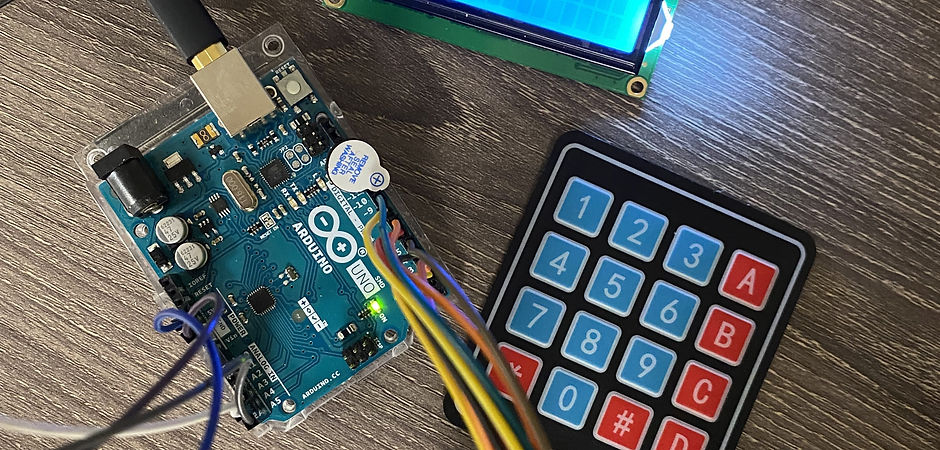
When thinking of a tool that could potentially utilize multiple aspects of somatic design and engage different forms of sensory experiences, we first thought of a problem with a product that is used by many people in their day to day lives related to somatic experiences. We wanted to create a product for the visually impaired community. In the end, we decided that the majority of keyboards are not designed to be accessible for visually impaired individuals. The options that are out there are mostly specialized for those who know braille which is a fraction of those in the visually impaired community. Therefore, we decided to make an accessible keyboard for those with visual impairments. In the first somatic design projects, we focused on the keyboard itself. We added braille letters to the keys for those who can read braille, but our biggest feature was the keypad that gave an audible response when a key was pressed. We did this by using a keyboard purchased from a thrift store, a sharpie, construction paper, hot glue, and an Arduino with some components added (LED display, buzzer, and keypad). For the second project, we added a mouse. We added ergonomic grips to a mouse so it wouldn’t slip around in one’s hand during use. We also built on the keypad from the first project by adding a speaker with different frequencies. Each key had an audible response with a different frequency so that individuals who have trouble seeing can differentiate between keys.
My Role
My role during these projects was to gather all the materials, whether that be purchasing materials like the keyboard and mouse or gathering craft supplies from my house. I also played a big part in building our prototypes, not the coding for the Arduino, but the building of the physical product. In correlation with this, I was tasked with writing about the materials we used as well as prototype production in each of the deliverables and well as presenting this in front of the class.

Challenges
For this project, the biggest challenge was trying build a physical prototype with the limited knowledge, materials, and time we had for this project. We had a lot of ideas for features that we wanted our keyboard to have like text-to-speech and vibration. In the end, we tried to incorporate our Arduino as much as possible with its capabilities and in the end, we were able to create a prototype we were happy with.

What I've Learned
Through the design process of both somatic design projects, I not only built on my knowledge of the design of physical products that I had gained from the first Maker Lab course, but I also learned about the importance of somatic experiences and the internet of things when designing a product. Creating a product so that it gives the user multiple sensory experiences not only makes the product more engaging for the user, but it also makes your product more accessible because not all people are able to have the same somatic experiences. Internet of things is also important because society is trending in a way that needs more and more connections between people and objects through the use of the internet, therefore products need to be design with these connections incorporated. Moving forward, as a designer, when working on projects throughout the rest of my schooling, as well as in my future career, I will be more mindful of the user’s sensory experiences with the product I am creating, as well as the importance of connectivity.
